

Making campaign performance understandable and actionable
Timeline
4 months (2023)
Tools
Figma
Photoshop
Project Type
B2B
Ads platform
Seller Tool
The Challenge
The platform showed metrics, but not meaning
The existing dashboard surfaced campaign details and performance metrics, but it did not give sellers a clear way to understand campaign goals or assess campaign health.
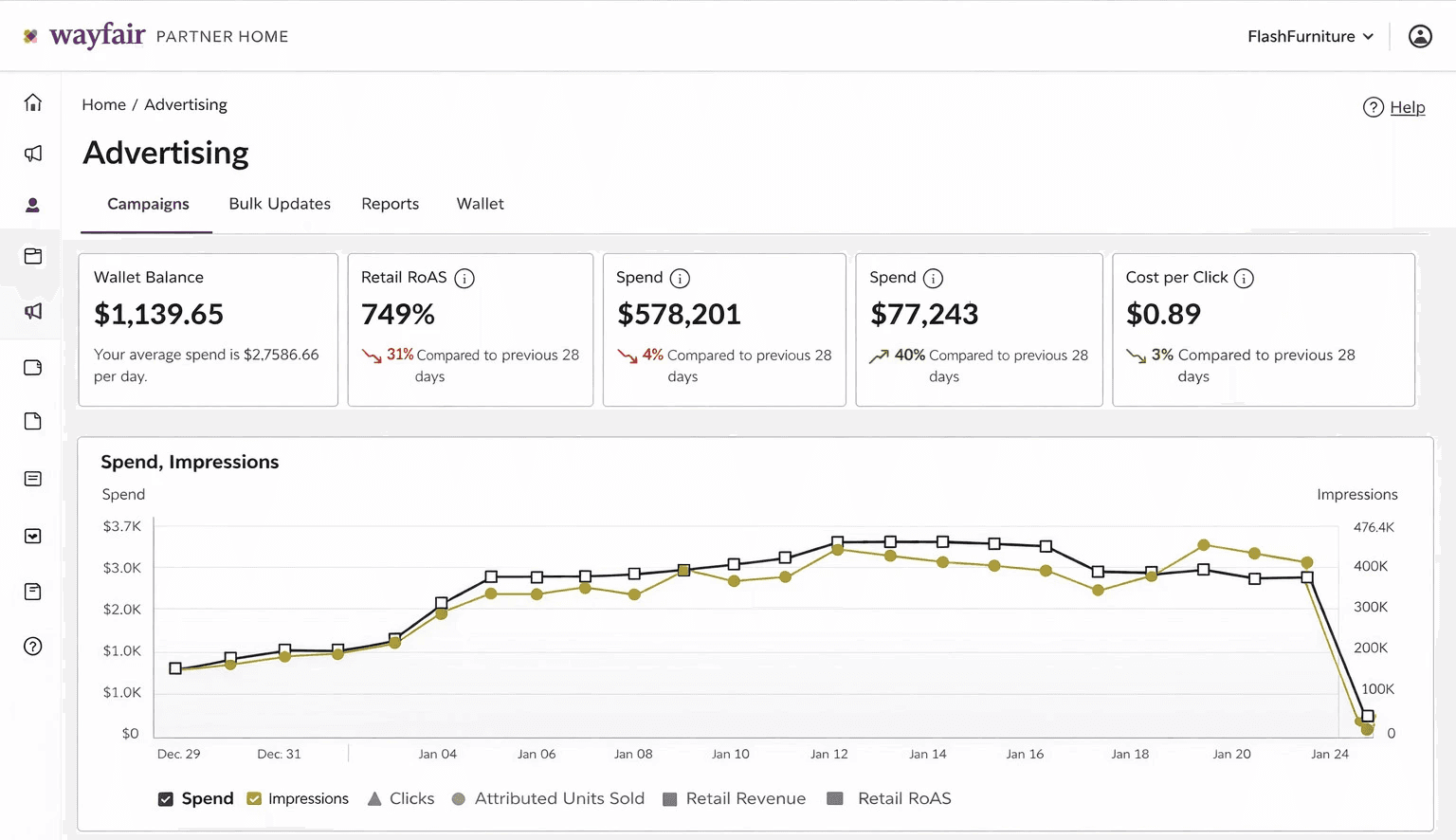
1
2
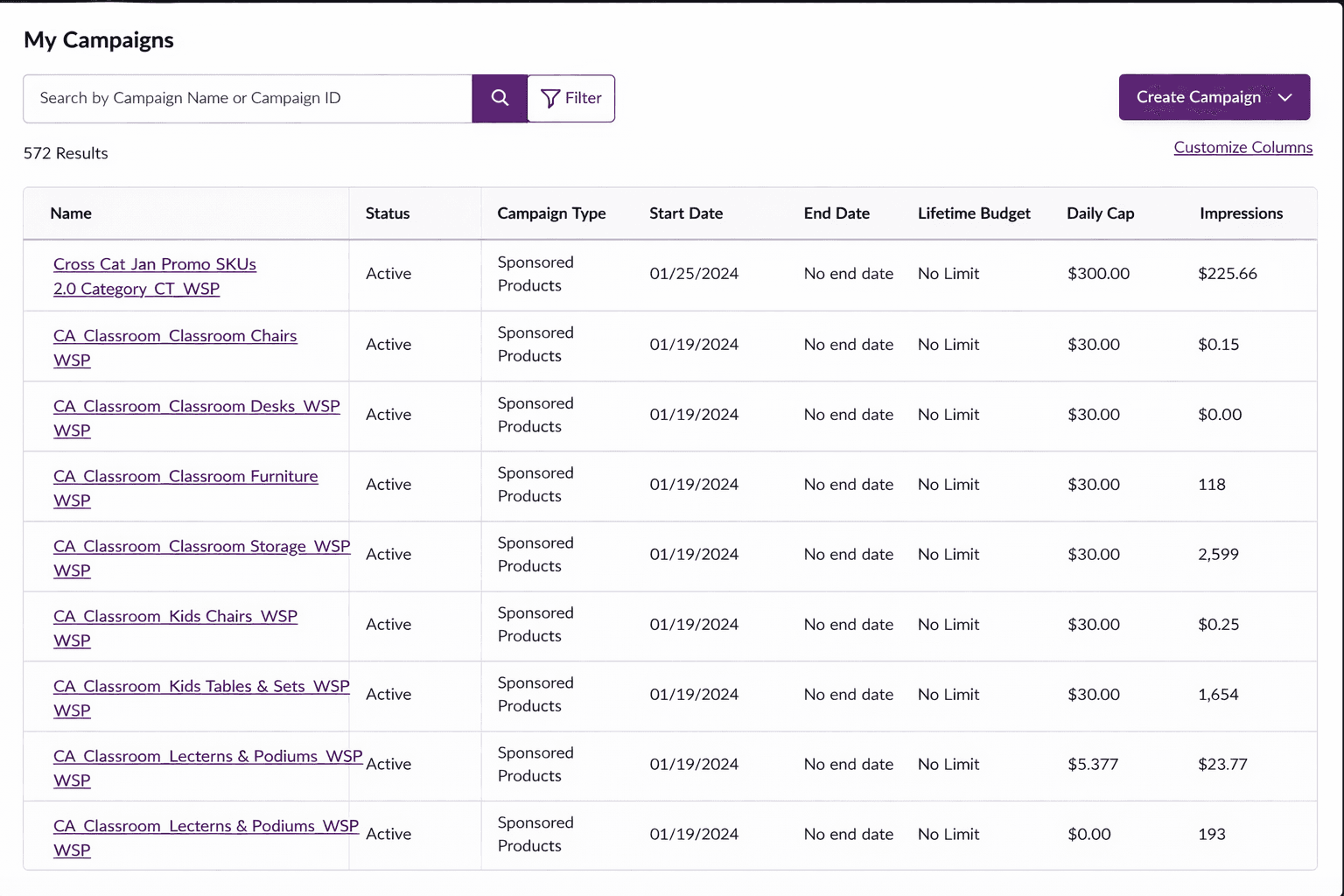
3
4
This also created a second-order operational problem:


Why does it matter?
Low Clarity Created Costs on Both Sides
Suppliers

Confusion and Low Confident
Wayfair

Operational Drag and Missed Growth
This limited scalable growth and created avoidable operational burden, and led to lost revenue.
Research
Research approach
We started by looking both outward and inward.
Outward
First, we reviewed campaign creation and management patterns across major platforms, including Google, Meta, Amazon, Walmart, Instagram, and Carousell. The goal was to understand common ad workflow structures and identify UX patterns that reduced friction for advertisers.





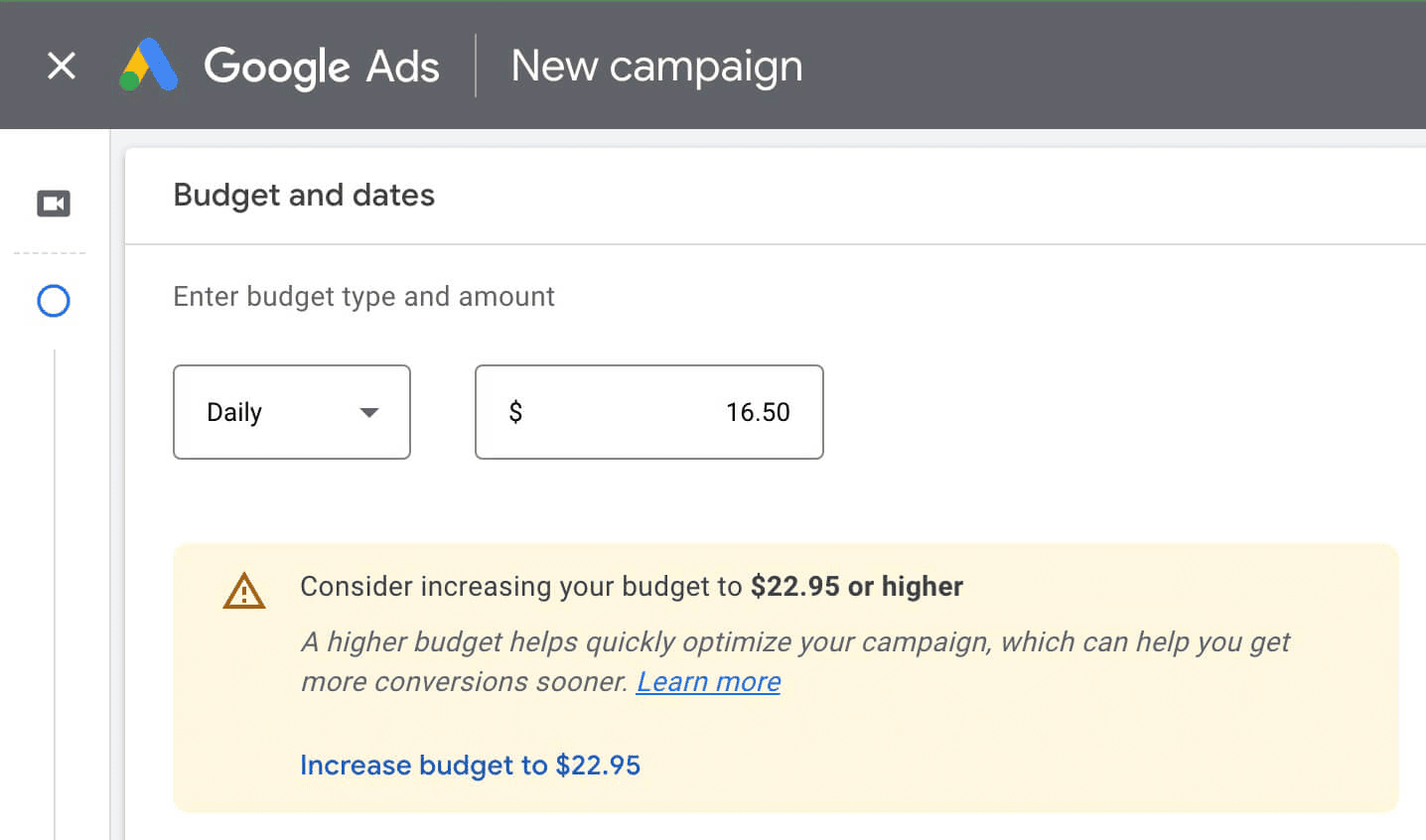
In our review of ad platforms, Google Ads distinguished itself with a range of UX features that effectively support sellers throughout the campaign workflow.
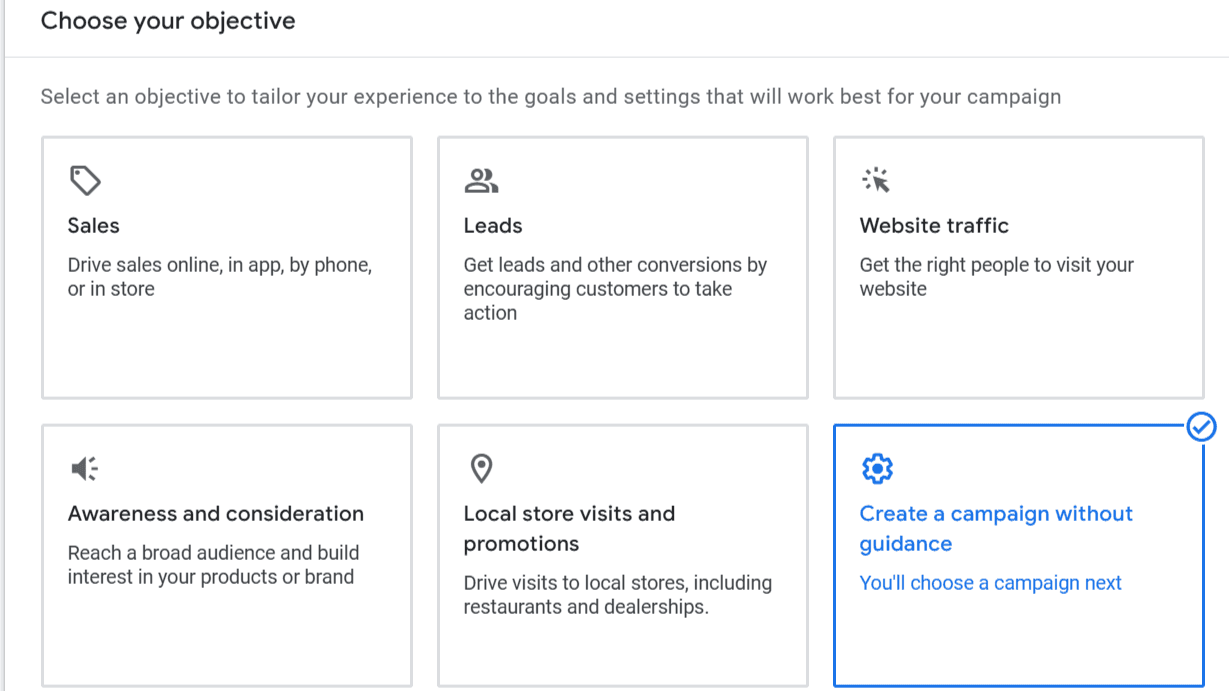
Goal Optimization During Campaign Launch
While launching and setting up the the new campaign, users can optimize for the goals they want to achieve
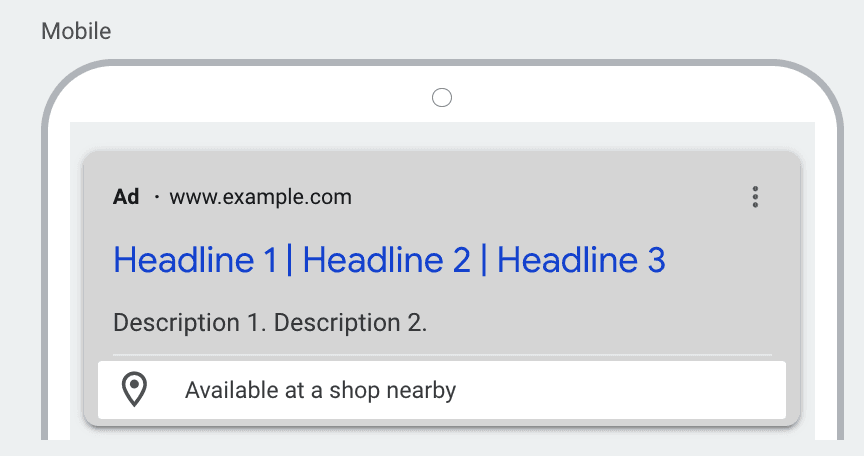
Campaign Preview for Advertiser Assurance
Previewing what the campaign will look like may give assurance to advertisers on what to expect
Best-Practice Guidance Throughout Campaign Creation
Google Ads uses contextual nudges and recommendations to guide users toward best practices and improve campaign effectiveness.

Inward
Second, we built an understandin of how Wayfair suppliers manage campaigns and prioritize advertising goals.
High-Touch Vendor Growth Model
Wayfair’s growth model relies on SAMs and SMEs to directly support vendors, drive sustainable ad growth, and build long-term relationships through multifaceted account management.

Multi-Product Campaign Complexity
Ad campaigns often include multiple products with different goals, adding complexity to performance tracking.

Product-Related Goals
Suppliers primarily use advertising to drive product outcomes rather than brand awareness
Launching new products
Promoting bestsellers
Clearing excess inventory,
Ideation
Problem Framing
Based on the findings, we reframed the challenge into three linked UX problems.
3 Key Problem Statments
01
Lack of Categorization Based on Seller Goals
Sellers couldn't define clear goals when launching a campaign, making it difficult to measure success.
02
Difficulty Understanding Campaign Performance
Campaign metrics were presented in an overwhelming and aggregated way, with no clear structure.
03
Lack of Clarity on Campaign Optimization
Sellers didn’t know what to fix or where to focus their efforts.
Framing the Design Opportunity
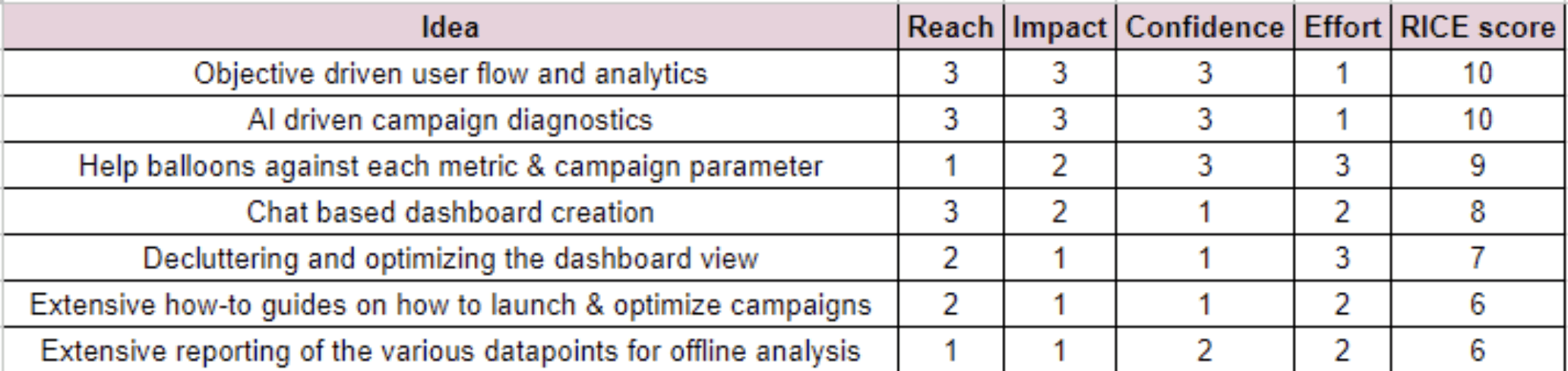
Based on the problems we identified, we brainstormed a range of possible solutions, then used the RICE score system to evaluate them against key criteria to prioritize the most effective and realistic options.
What Is The RICE Score?

Reach
Who does the solution affect?

Impact
How many problems does the solution solve?

Confidence
How confident is the team that the solution will solve the problem?

Effort
How much effort is needed to productize the idea?
RICE-Based Solution Evaluation
Problem + Solution + Impact
The UX opportunity framing gave us three clean product strategy:
01 Goal Alignment for Campaigns
02 Campaign Performance Visibility
03 Automated Campaign Optimization
How would the prioritization and optimization work?
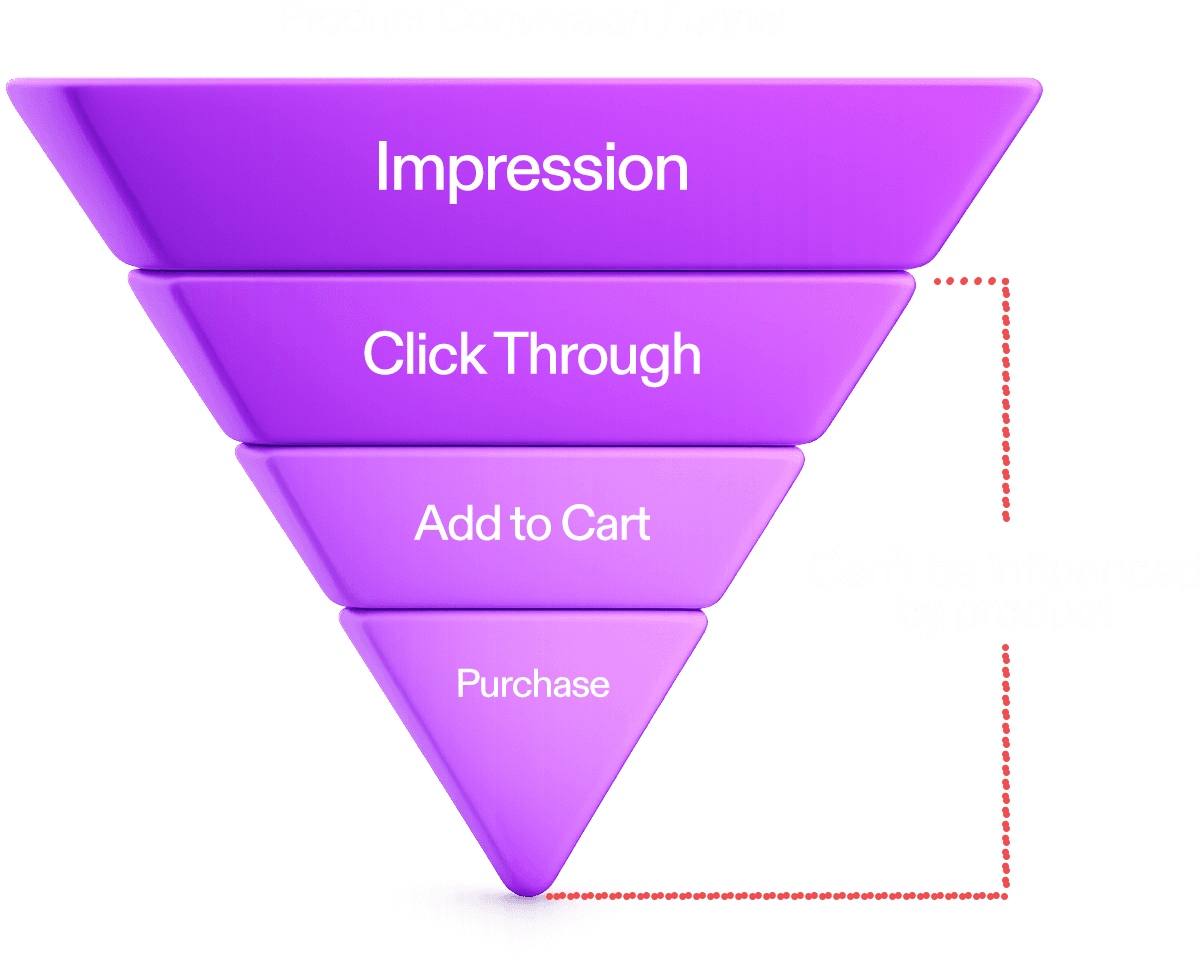
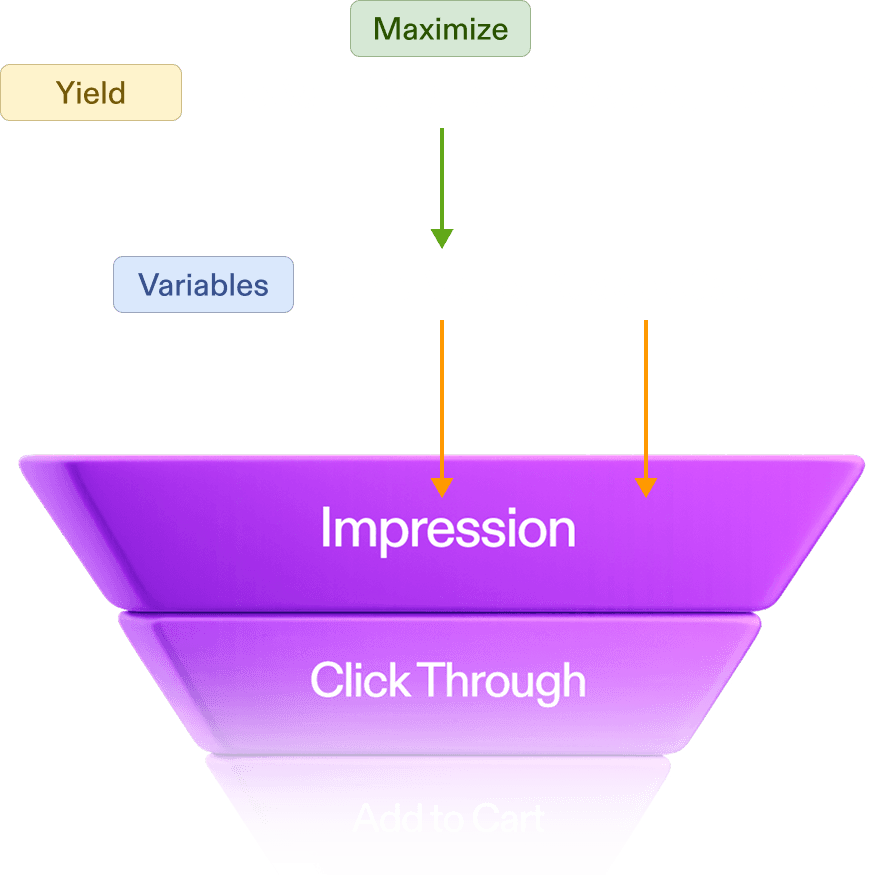
Defining the Boundary of the Ad System
Separating ad performance problems from product problems
Delivery issues pointed to bid or budget changes, while lower-funnel issues pointed to product quality. Separating these made the recommendations more accurate.
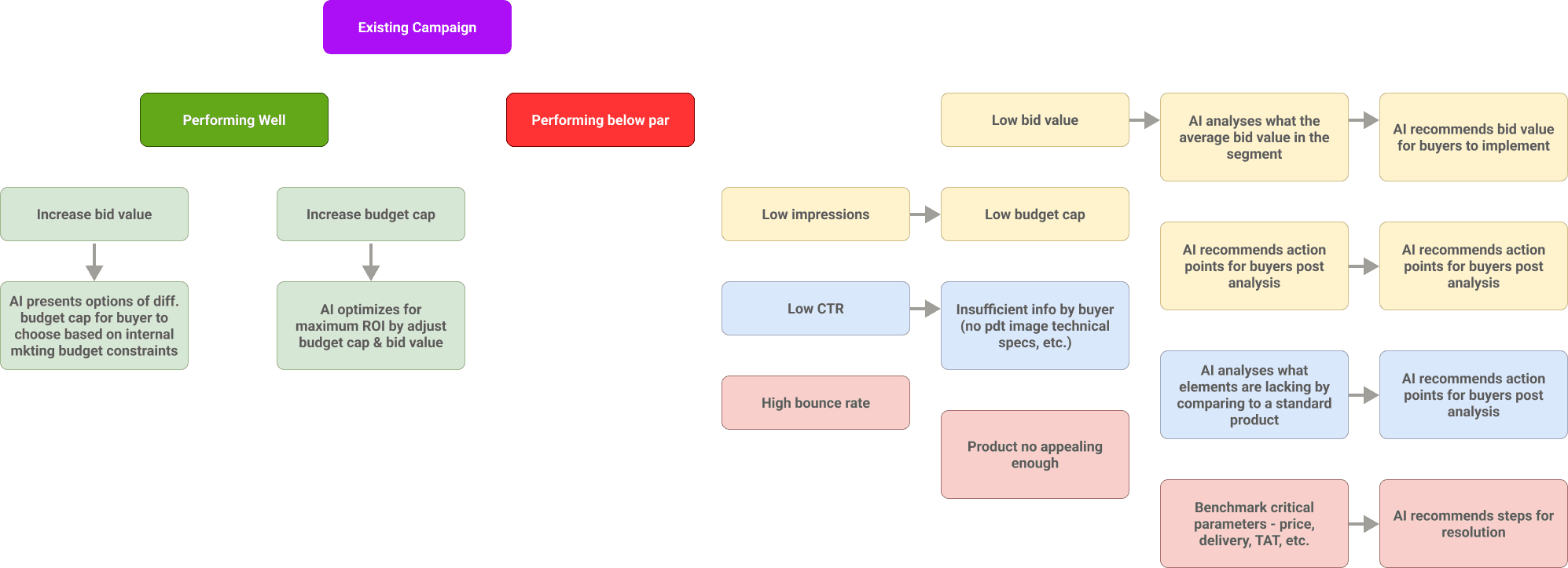
Building a Root-Cause Diagnosis Framework
Designing for diagnosis, not just detection
We designed a root-cause framework that mapped campaign performance into clear diagnostic paths. Campaigns were first grouped by performance, then broken down into likely issues, each tied to a probable cause and recommended next step.
Prioritizing the Right Insights
From raw metrics to prioritized signals
Instead of treating all metrics as equal, the system would surface the most business-relevant and actionable issues first, helping sellers focus their attention where intervention was most likely to drive impact.
Solution
4 Potential Benefits for Wayfair
Improved campaign metrics through automated promotion insights
Sellers spend more by acting on data-driven insights
Reduces workload for Ad campaign managers
Possible monetization of the diagnosis feature set
Sequence of Implementation
The UX opportunity framing gave us a clean product strategy:
1
2
3
Introducing..
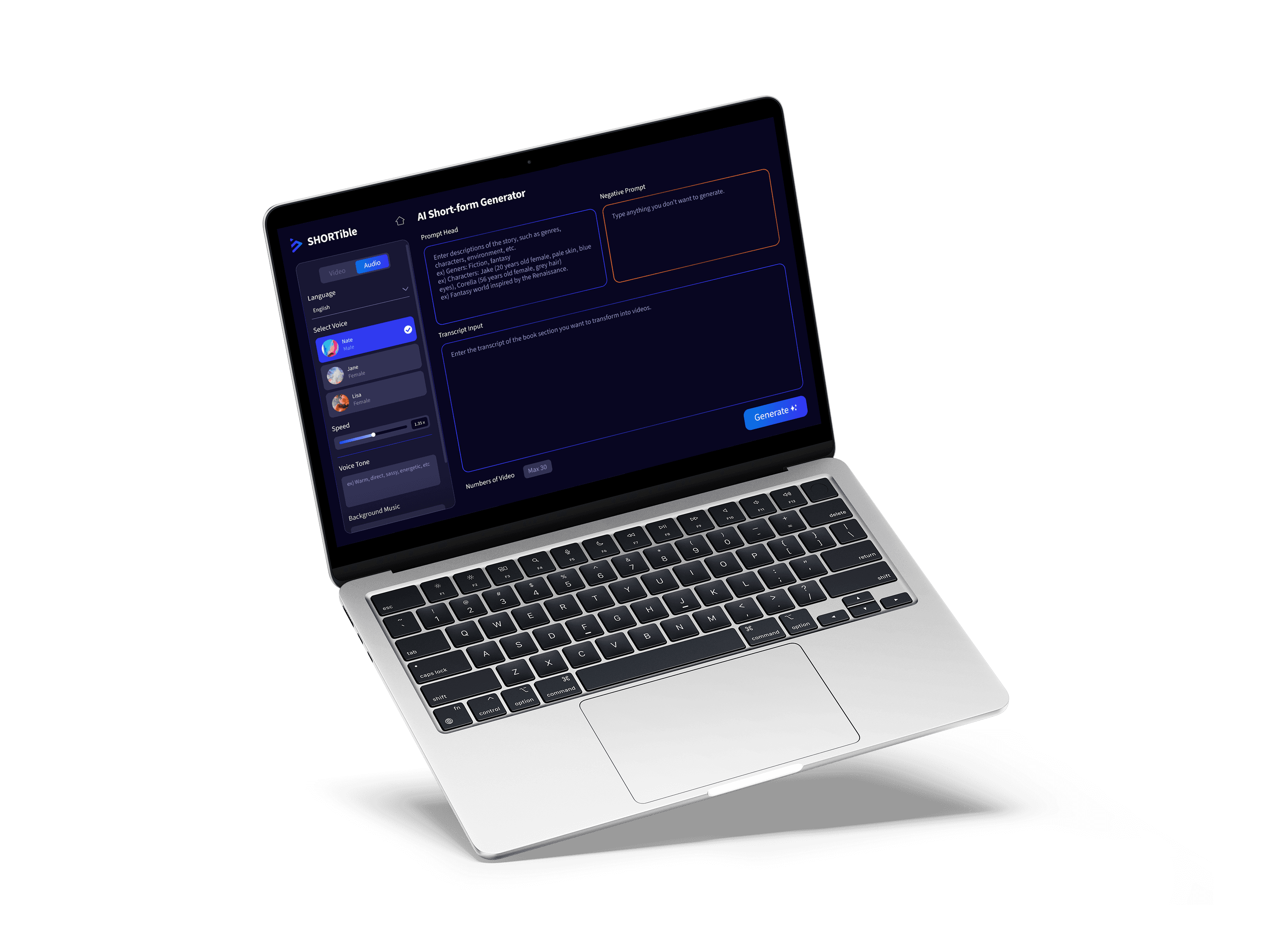

SHORTible Central Business Logic
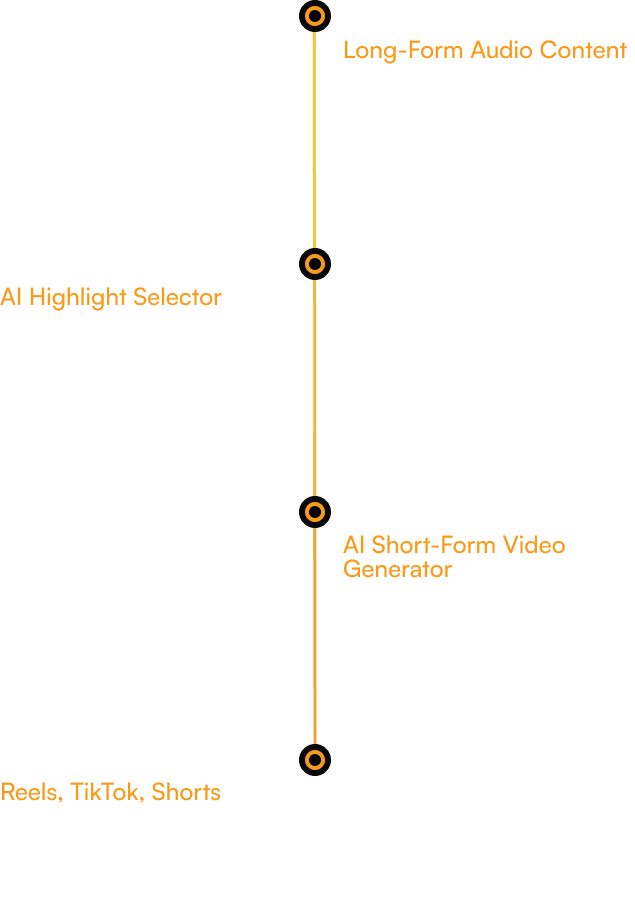
SHORTible harnesses AI to transform audio content into bite-sized visual stories, perfectly tailored to market to today's digital generation on their favorite platforms.
SHORTible Pipeline
Ideation
Ideate! Ideate! Ideate!
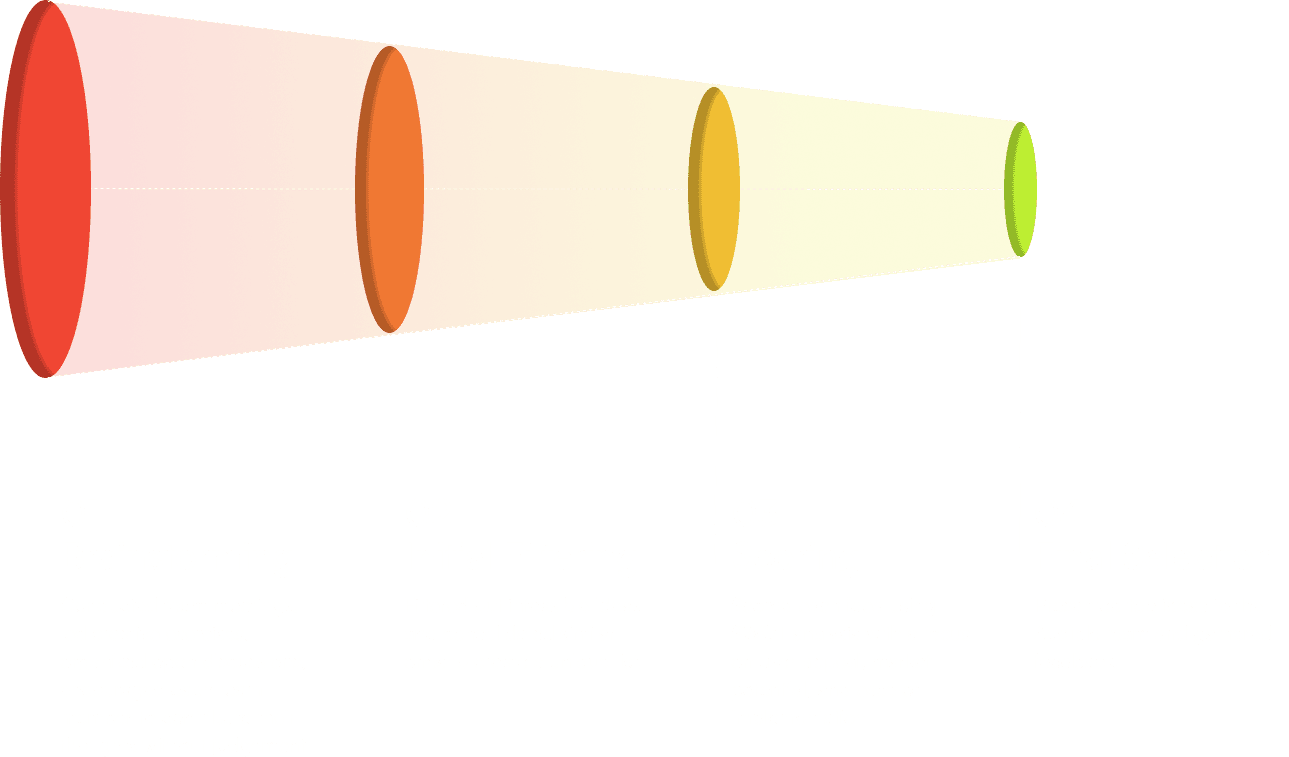
Our team brainstormed 50+ ideas and refined them using the funnel method to narrow down to two standout concepts. We presented these two ideas to the Audible team and received feedback for the final selection with suggestions to further develop them.
Funnel Method for Product Ideation
Addressing 3 Pain Points
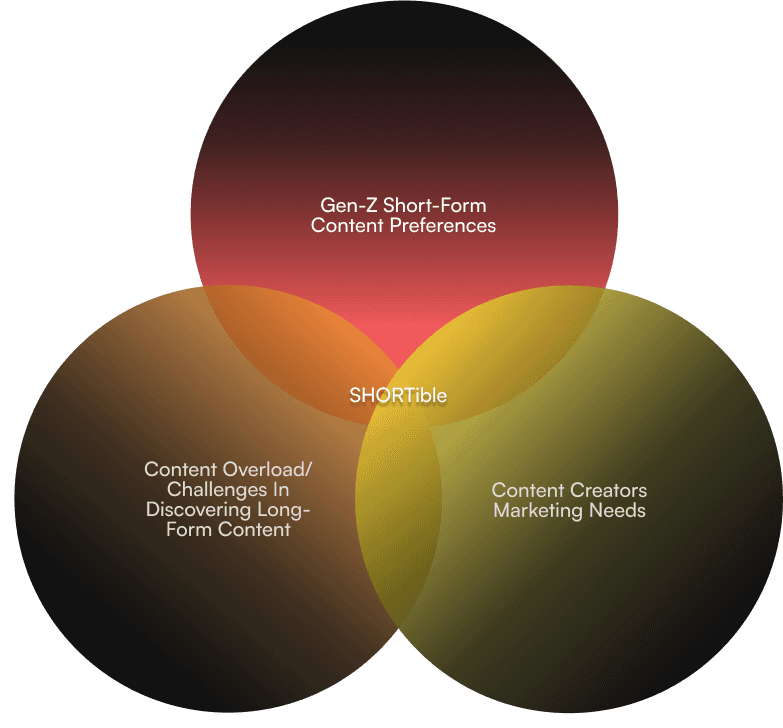
SHORTible transforms long-form audio into engaging short-form videos for social media, effectively addressing 3 key pain points. It assists creators in producing Gen Z appealing content, extends creator reach, and supports consistent promotion. Leveraging TikTok's potential, this tool can ultimately make content discovery easier for Gen Z and can drive audiobook and podcast sales.
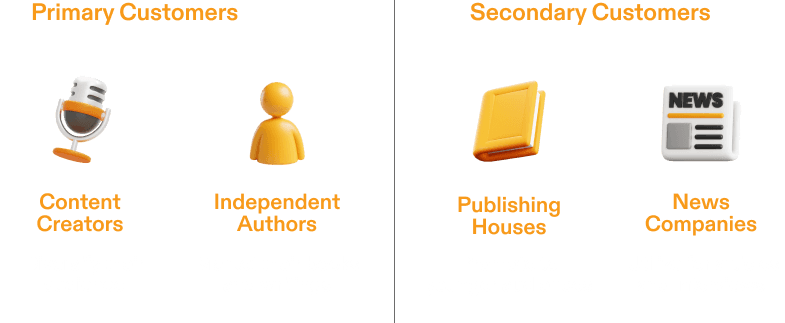
Customer Segments
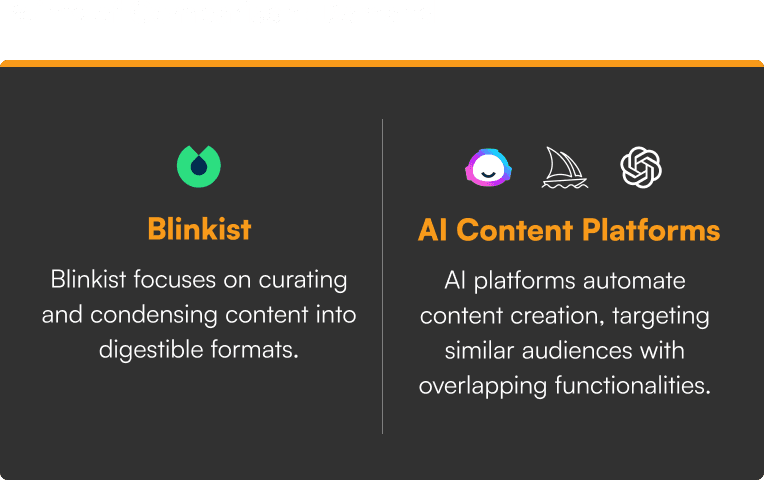
Competitive Analysis
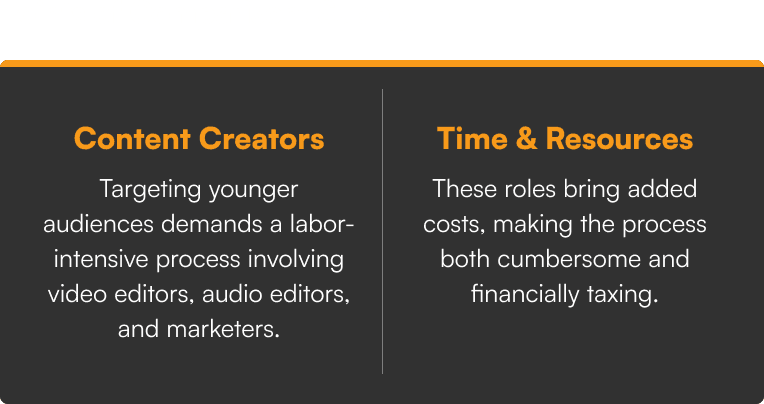
Design
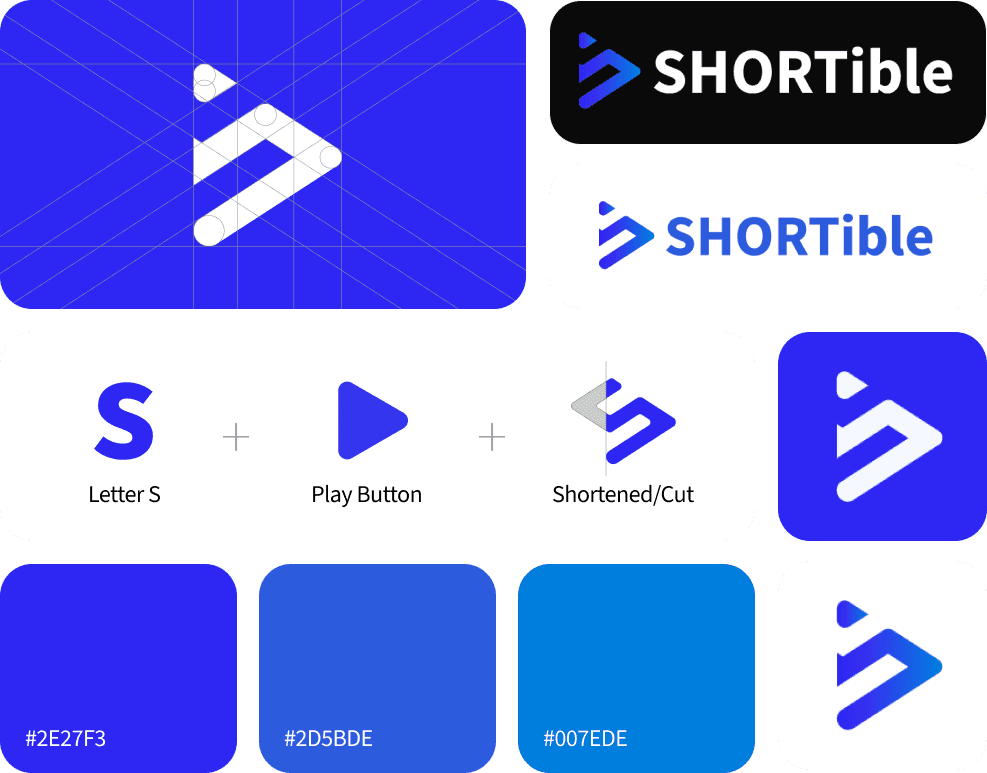
Branding
UI
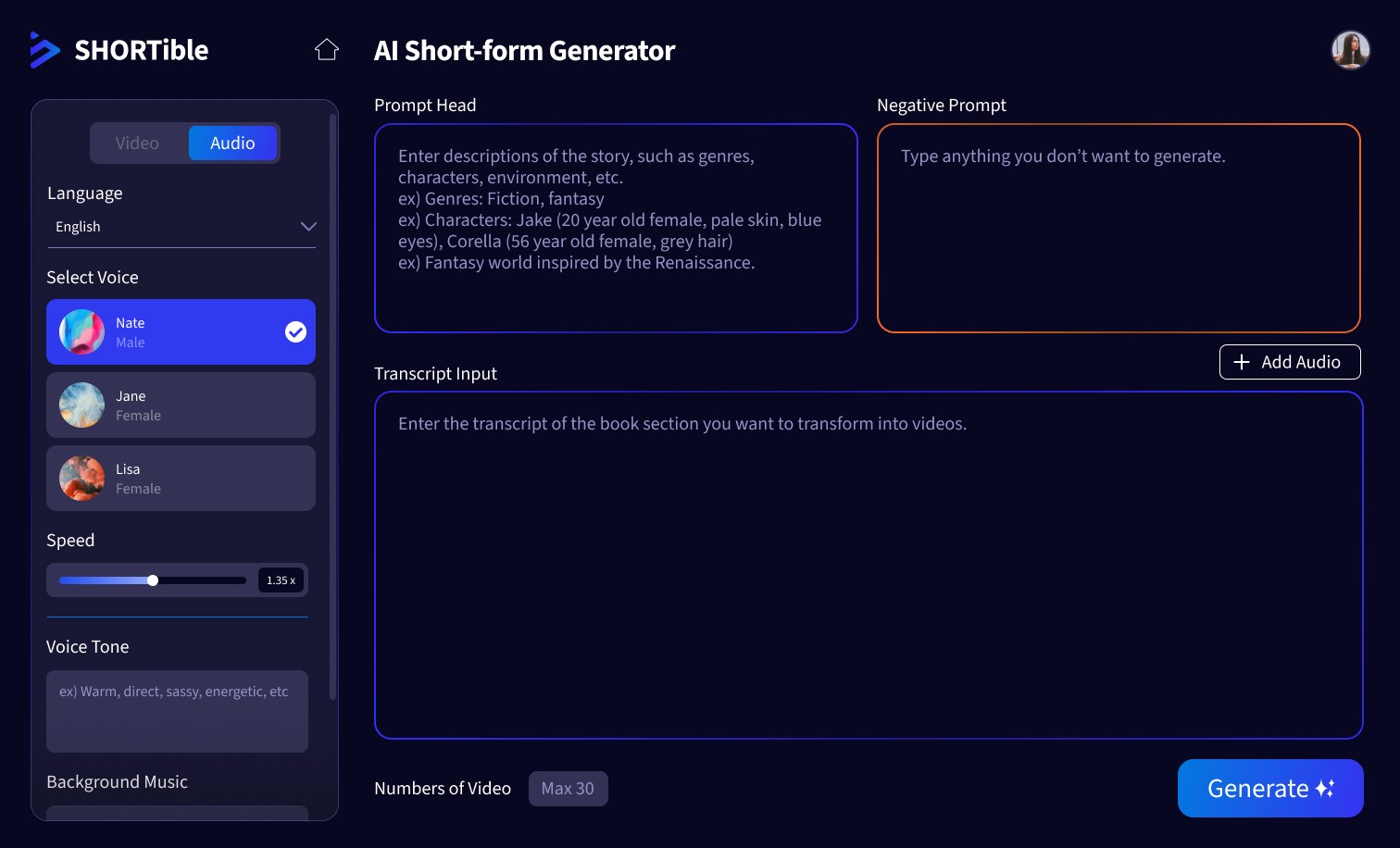
01 Prompt Template
Users can upload transcripts or audio via the Transcript Input or Add Audio options. The Prompt Head lets users specify genres, personalities, and environments, while the Negative Prompt excludes undesired elements, ensuring precise customization.
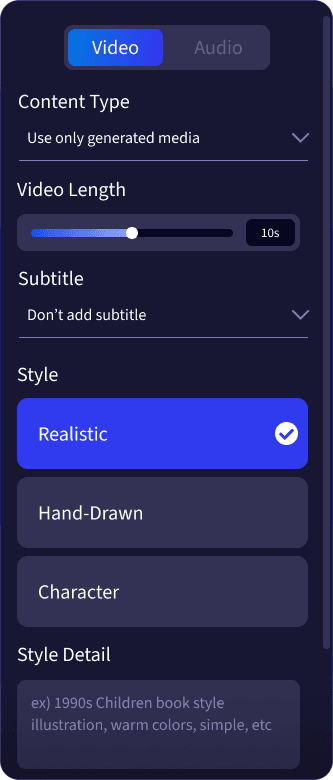
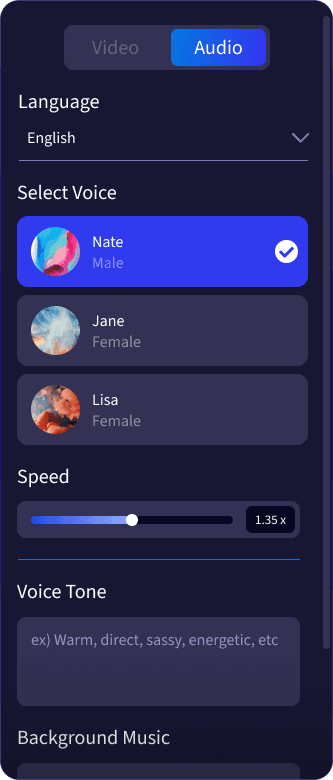
02 Video & Audio Settings
The Video tab allows users to select the content type, adjust video length, add subtitles, and choose animating styles.
The Audio tab provides options for selecting language and voice type, adjusting narration speed, and specifying voice tone.
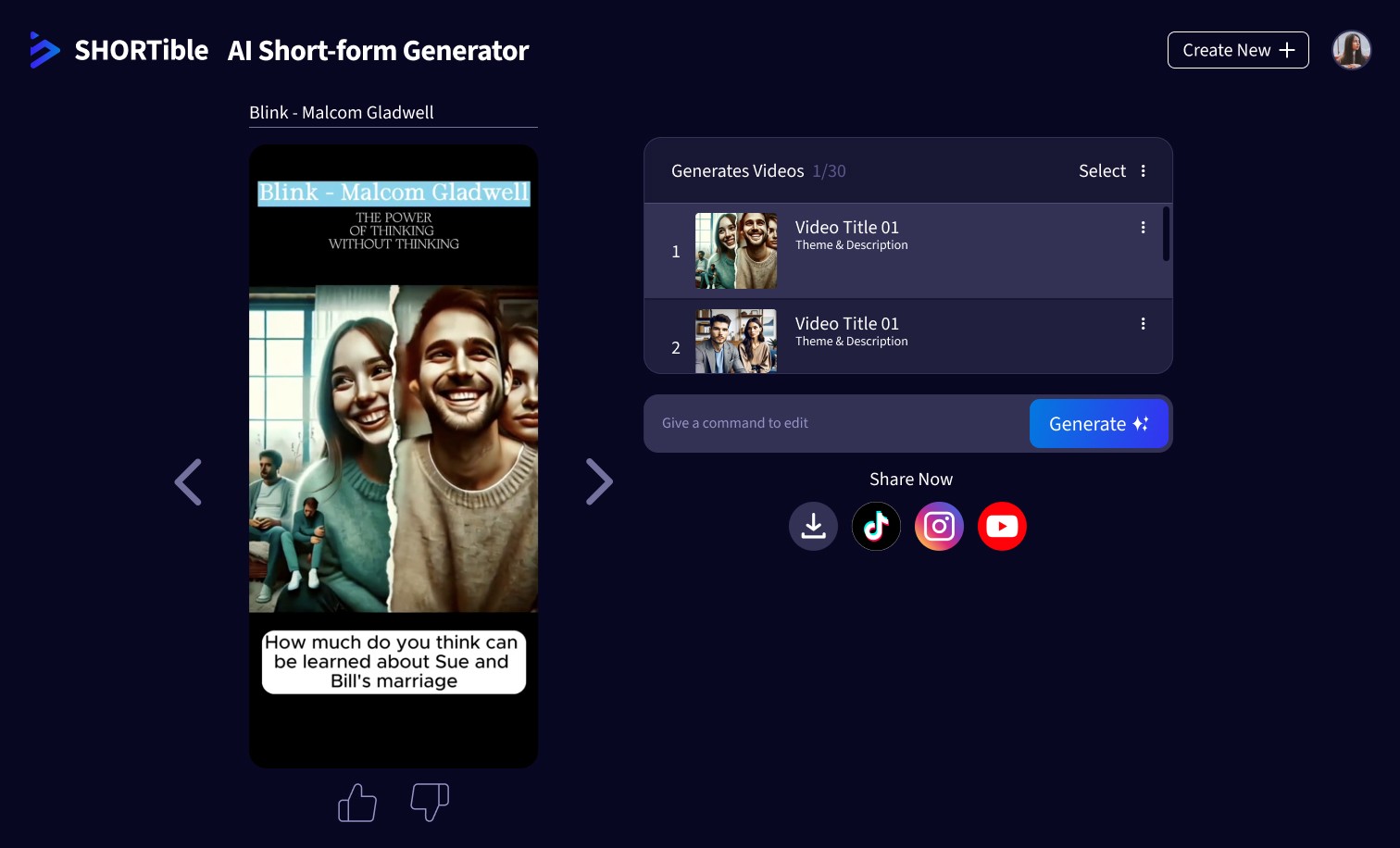
03 Edit Final Videos & Share
Users can edit generated videos with command inputs, share them directly on platforms like TikTok and Instagram, or download them for other uses.
Reflection
What I’ve learned...
Collaborating with engineers and managers honed my interdisciplinary skills and cultivated my holistic approach to product design. I learned to address risks while integrating regulatory considerations early to avoid roadblocks and ensure smooth market entry.
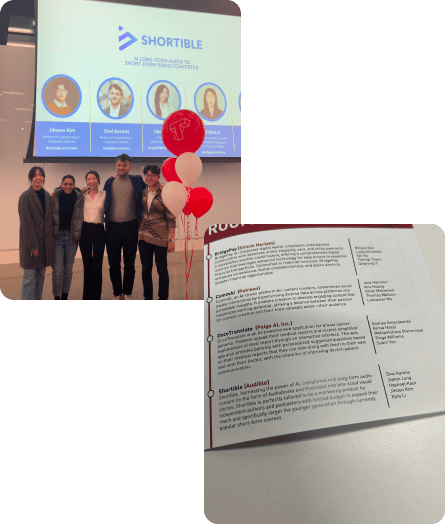

If I had more time...
If I had more time, I would focus on refining the UXUI through user testing. More user testing would help us identify potential improvements and deliver a more user-friendly final product.
